





Real customer success stories: Verified fuel economy restoration results and actual gas savings. Discover how our clients drastically cut fuel costs with proven data.
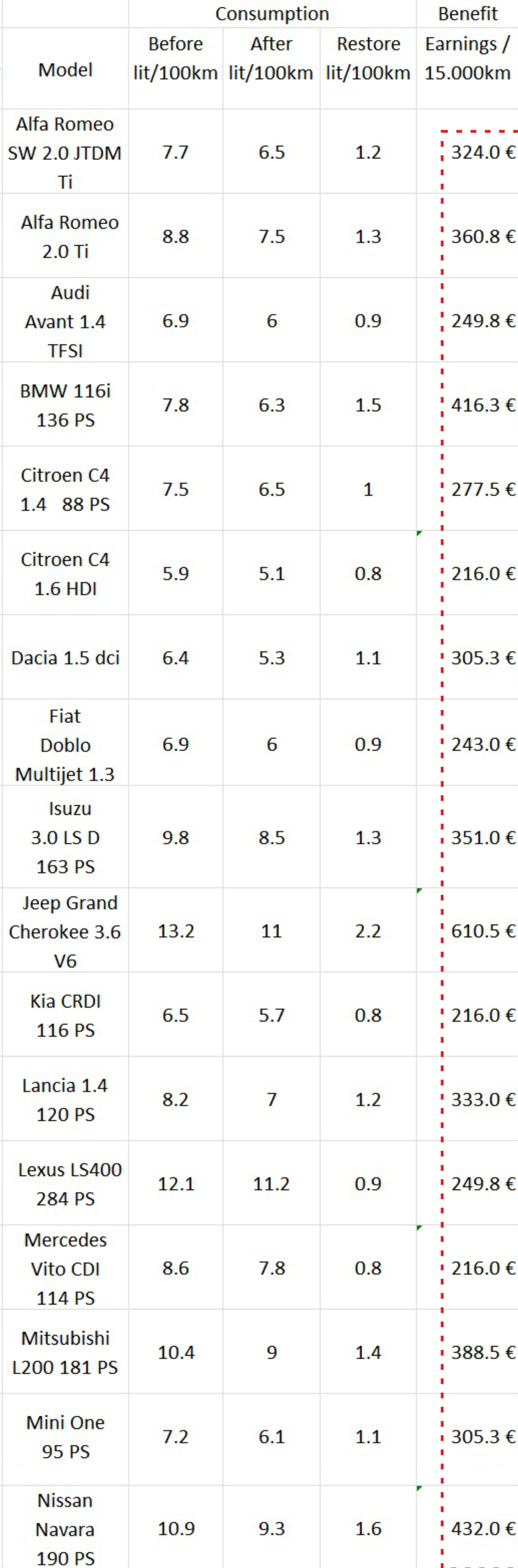
Just 0.5L/100km Extra Fuel Consumption Costs You €120–€170 Annually. Money Wasted.
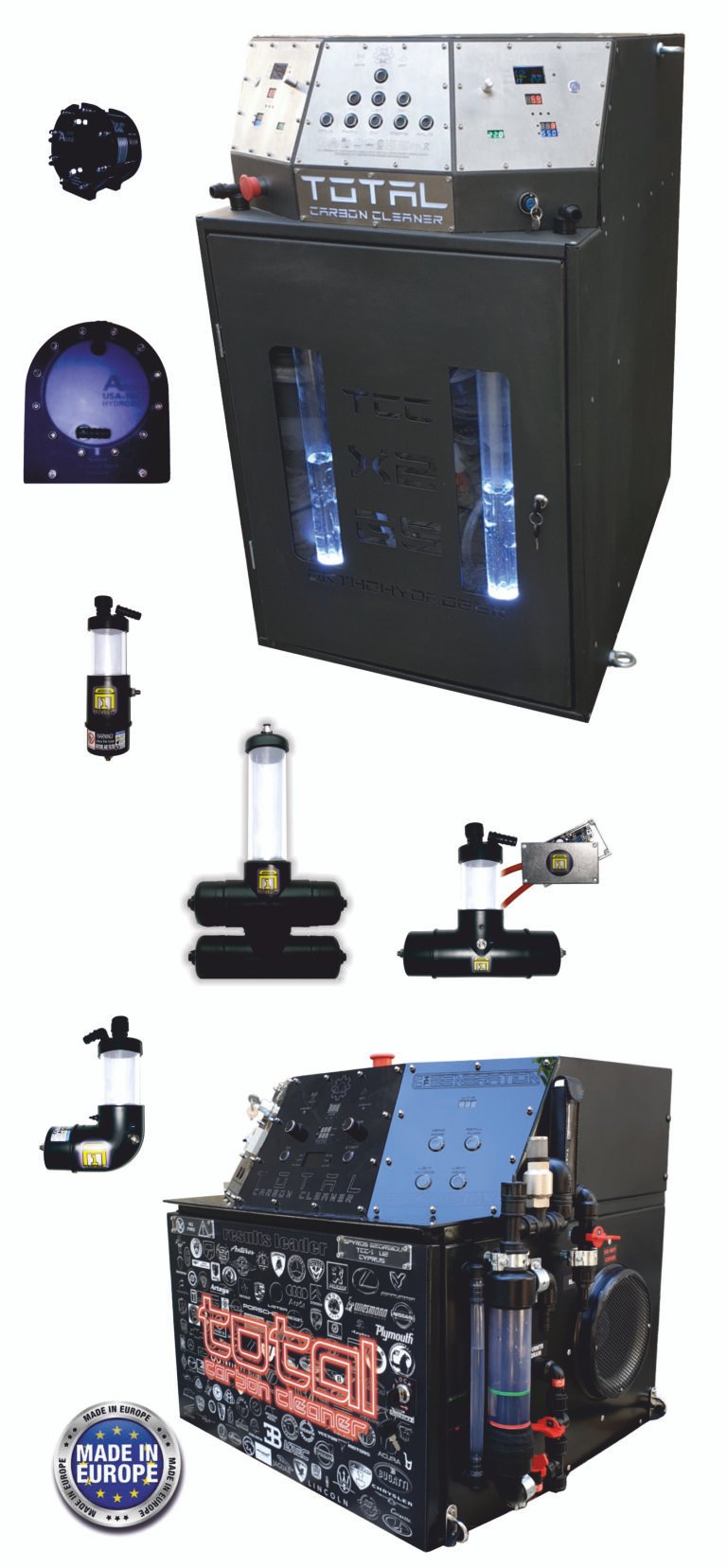
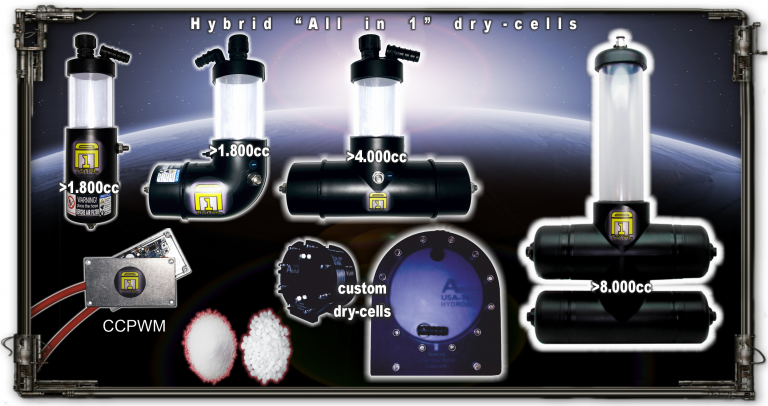
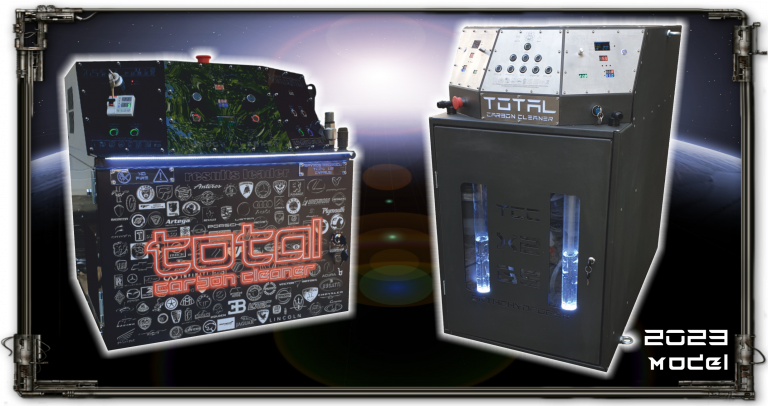
Hydrogen carbon cleaning is a non-invasive engine detox that removes harmful carbon deposits using electrolyzed hydrogen gas. Think of it as a “deep cleanse” for your engine’s internal parts – no chemicals, no disassembly, just pure science. Here’s how it works:
- Electrolysis: Our machine splits water (H₂O) into hydrogen and oxygen gases.
- Injection: Hydrogen is fed into your engine’s air intake while it runs.
- Reaction: The hydrogen bonds with carbon deposits (soot, varnish) on pistons, valves, and injectors.
- Conversion: Carbon turns into CO₂ and H₂O, safely exiting through the exhaust.
Result? A restored engine with fewer emissions, better fuel efficiency, and smoother performance – all in 30–60 minutes.
Unlike harsh chemical cleaners or engine teardowns, this method is 100% eco-friendly and safe for all engine types. Contact us for a live demo and see carbon vanish before your eyes! Don’t let buildup choke your engine’s potential – invest in the future of automotive care that’s fast, clean, and scientifically proven. Reach out today and feel the difference!

Hydrogen carbon cleaning delivers transformative benefits for your engine, wallet, and the planet. Here’s why it’s a game-changer:
- 🚀 Restores Performance: Eliminates carbon buildup to revive acceleration, smooth idling, and throttle response. Feels like driving a new car!
- ⛽ Boosts Fuel Efficiency: Reduces fuel consumption by 5–15% by optimizing combustion. Save hundreds yearly at the pump.
- 🌿 Slashes Emissions: Cuts CO/HC pollutants, helping you pass tests and reduce your carbon footprint.
- ⏳ Extends Engine Life: Prevents abrasive carbon wear on pistons, valves, and sensors – adding years of reliable performance.
- ⚡ Fast & Non-Invasive: 30–60 minutes, no disassembly, and drive away immediately. Zero downtime!
Unlike chemical cleaners or engine teardowns, this method is 100% eco-friendly (uses only water and electricity) and safe for all engines – gasoline, diesel, hybrid, or electric. Contact us for a personalized benefit analysis and see how much you could save. Don’t settle for sluggish performance or wasted fuel – invest in science-backed care that pays for itself in efficiency, longevity, and peace of mind. Reach out today and unlock your engine’s true potential!

Hydrogen carbon cleaning works on virtually ALL combustion engines – gasoline, diesel, hybrid, and even specialized systems. Here’s the full compatibility list:
- ✅ Gasoline Engines: Cars, SUVs, motorcycles, lawnmowers, and generators.
- ✅ Diesel Engines: Trucks, buses, industrial machinery, agricultural equipment, and marine vessels.
- ✅ Hybrid Engines: Combustion components in hybrids (e.g., Toyota Prius, Honda Insight).
- ✅ High-Performance Engines: Turbocharged, supercharged, and direct-injection systems.
- ✅ Vintage/Classic Engines: Carbureted or fuel-injected classics (e.g., 1960s muscle cars).
- ✅ Niche Engines: Rotary (Mazda RX-series), aircraft piston engines, and racing engines.
The only exception?
- ❌ Pure Electric Vehicles (EVs): No combustion = no carbon buildup! (They’re already eco-perfect ⚡).
Age and condition matter more than type – even engines with 300,000+ km benefit. Contact us for a free compatibility check – we’ll assess your engine’s unique needs. Don’t assume your engine is “too old,” “too complex,” or “too niche” – trust the universally adaptable solution that revitalizes combustion across generations and technologies. Reach out today and join millions of engines cleaned worldwide!
 Hydrogen carbon cleaning is a revolutionary leap beyond outdated methods. Here’s how it outperforms traditional approaches:
Aspect | Hydrogen Cleaning | Traditional Methods |
|---|---|---|
| Process | Non-invasive (no disassembly) | Engine teardown required |
| Time | 30–60 minutes | Days to weeks |
| Chemicals | Zero (uses only water/electricity) | Harsh solvents, abrasives, or additives |
| Precision | Targets carbon only (no damage to parts) | Risk of scratching sensors/seals |
| Eco-Impact | 100% eco-friendly (H₂O → clean exhaust) | Toxic waste, chemical runoff |
| Cost | Lower long-term (prevents future repairs) | High labor/parts costs |
| Results | Restores performance and prevents buildup | Temporary fix (carbon returns quickly) |
Why this matters:
- No downtime: Drive away immediately vs. renting a car for days.
- Universal safety: Works on turbos, hybrids, and classics without risk.
- Sustainable: No landfills or toxic byproducts – just clean emissions.
Contact us for a side-by-side demo and see carbon vanish without touching a wrench! Don’t gamble with temporary fixes or invasive repairs – invest in the science-backed solution that’s faster, greener, and protects your engine for the long haul. Reach out today and experience the future of engine care!
 Even if the best answer is NOW!..
The ideal time for hydrogen carbon cleaning is proactive maintenance – before problems arise. Here’s when to schedule:
🕒 Preventative Maintenance (Best Practice):
- Every 10,000–15,000 km for cars/SUVs (or every 2–3 oil changes).
- Every 5,000–8,000 km for diesel trucks/heavy vehicles.
- Seasonally: Before winter (cold weather worsens carbon buildup) or summer (AC strain impacts performance).
⚠️ Symptom-Based Timing (Don’t Ignore These!):
- Reduced fuel efficiency (sudden MPG drops).
- Rough idling or stalling at stops.
- Failed emissions test (ΚΤΕO/MOT failure).
- Loss of power (sluggish acceleration).
- Check engine light (carbon-related codes like P0300).
🚗 Special Cases:
- Before long trips (ensure reliability on highways).
- After buying a used car (remove unknown buildup).
- Pre-inspection (pass ΚΤΕO with ease).
Don’t wait for breakdowns – carbon buildup worsens over time, increasing repair costs. Contact us for a free diagnostic scan and we’ll pinpoint the perfect timing for your vehicle. Combine preventative care with our mobile service (we come to you!), and you get hassle-free protection. Invest in prevention today and save money, stress, and your engine tomorrow!
 Your vehicle’s warranty remains fully intact – hydrogen carbon cleaning does not void manufacturer coverage when performed professionally. Here’s why:
⚖️ Legal Protection:
- Magnuson-Moss Warranty Act (US) & EU Consumer Laws prohibit manufacturers from voiding warranties for third-party services unless they directly cause damage.
- Hydrogen cleaning is non-invasive (no disassembly, no software changes), making it legally compliant.
✅ Manufacturer Alignment:
- Many dealerships recommend carbon cleaning as preventative maintenance (e.g., BMW, Mercedes, VW service bulletins).
- Our process uses OEM-safe methods and leaves no trace – no ECU reprogramming or part alterations.
📋 Proof of Compliance:
- We provide detailed service records with:
- Machine calibration logs
- Pre/post diagnostic reports
- Technician certifications
- These documents satisfy warranty audits if questions arise.
⚠️ What Could Void Warranty?
- Invasive methods (e.g., chemical stripping, engine teardowns) that damage sensors or seals.
- Uncertified technicians using faulty equipment.
Protect your investment – contact us for warranty-safe service. We’ll ensure all documentation meets manufacturer standards. You get warranty-compliant care that actually enhances engine longevity. Don’t risk coverage with questionable methods – trust the science-backed service that preserves your warranty while restoring performance. Reach out today and drive with confidence!
 Absolutely not – hydrogen carbon cleaning complements regular maintenance; it never replaces it. Here’s why:
Aspect | Hydrogen Carbon Cleaning | Regular Maintenance |
|---|---|---|
| Purpose | Removes only carbon deposits | Checks/replaces fluids, filters, brakes, belts |
| Scope | Single-issue solution (carbon buildup) | Full-system health check (engine, transmission, etc.) |
| Frequency | Every 10k–15k km (as needed) | Every 5k–10k km (manufacturer-recommended) |
| Components Addressed | Pistons, valves, injectors | Oil, air filters, spark plugs, coolant, tires |
| Critical Risks of Skipping | Gradual power loss, higher emissions | Engine seizure, brake failure, voided warranty |
⚠️ Why This Is Non-Negotiable
Hydrogen cleaning only targets carbon – it cannot:
- Replace engine oil (prevents metal-on-metal friction).
- Check/replace air filters (prevents debris ingestion).
- Inspect brakes (avoids catastrophic failure).
- Monitor coolant levels (stops overheating).
- Detect worn belts/timing chains (prevents engine destruction).
Example: Skipping an oil change could destroy your engine in 5,000 km. Skipping carbon cleaning only reduces efficiency gradually.
✅ The Winning Formula: Combine Both
- Step 1: Follow your manufacturer’s maintenance schedule religiously.
- Step 2: Add hydrogen cleaning every 10k–15k km to:
- Boost efficiency between services.
- Extend component lifespan (e.g., catalytic converters).
- Reduce emissions for ΚΤΕO compliance.
Result: A 30% longer engine life and 15% lower lifetime repair costs (based on fleet studies).
🚫 **What Happens If You Skip Maintenance?
(Real-World Consequences)
- Sludged oil: Engine seizure (€3,000–€8,000 repair).
- Clogged air filter: Turbo failure (€1,500+ replacement).
- Worn brake pads: Caliper damage (€500–€1,200).
- Voided warranty: Manufacturers deny claims if service history is missing.
Protect your investment – contact us for a maintenance + cleaning bundle. We’ll create a schedule that maximizes performance, safety, and savings. Don’t gamble with your vehicle’s health – trust the science-backed duo that keeps engines running like new for years. Reach out today and drive smarter!
Your vehicle sends clear signals when carbon buildup becomes critical. Watch for these symptoms:
Symptom | What It Means | Urgency Level |
|---|---|---|
| ⛽ Sudden fuel efficiency drop | Carbon insulates combustion chambers → wasted fuel | Medium |
| 🔧 Rough idling/stalling | Deposits disrupt air-fuel mix → unstable RPM | High |
| 📉 Loss of acceleration | Carbon-clogged valves/pistons → reduced airflow | High |
| 🌫️ Excessive exhaust smoke | Incomplete burning → unburned fuel exits as soot | Medium |
| 🔥 Engine overheating | Carbon insulates → poor heat dissipation | High |
🚨 Critical Alerts (Don’t Ignore!):
- ⚠️ Check Engine Light: Codes like P0300 (random misfires), P0171 (fuel trim imbalance), or P0420 (catalyst inefficiency) often trace to carbon.
- ❌ Failed ΚΤΕO/MOT Test: High HC/CO emissions? Carbon is the #1 culprit.
- 🔊 Knocking/Pinging Sounds: Carbon “hot spots” cause premature fuel ignition → engine damage risk.
- ⏳ Hard Starting: Deposits block fuel injectors → delayed ignition.
📊 Mileage & Condition Triggers:
- High-mileage engines (>80,000 km): Carbon accumulates faster.
- Stop-and-go driving: Short trips prevent full engine warm-up → carbon buildup.
- Low-quality fuel: Cheap gas = more deposits.
- Neglected maintenance: Missed oil changes accelerate carbonization.
✅ What to Do Next:
- Scan for codes: Use an OBD-II reader (free at most auto stores).
- Track fuel economy: A 10% MPG drop? Time for cleaning.
- Schedule proactively: Don’t wait for breakdowns – cleaning every 10k–15k km prevents damage.
Contact us. Don’t wait for costly repairs – invest in early intervention that saves fuel, prevents failures, and extends engine life. Reach out today and restore your ride!
Hydrogen carbon cleaning is safe for 95% of combustion engines in real world, but specific conditions or modifications may require extra caution. Below are key contraindications:
 Absolute Contraindications (Do NOT Proceed):
 Absolute Contraindications (Do NOT Proceed):
Vehicle Type | Reason | Alternative Solution |
|---|---|---|
| Pure Electric Vehicles (EVs) | No combustion process = zero carbon buildup. | Irrelevant (EVs don’t need cleaning). |
| Engines with Critical Damage | Cracked blocks, blown head gaskets, or seized pistons. | Repair first → clean later. |
Special Cases Requiring Expert Evaluation:
 Special Cases Requiring Expert Evaluation:
- Rotary Engines (e.g., Mazda RX-7/8):
- Risk: Apex seals are sensitive to pressure changes.
- Solution: Use reduced hydrogen flow rates.
- Aircraft Engines:
- Risk: FAA regulations prohibit unapproved modifications.
- Solution: Only use STC-certified hydrogen systems (Supplemental Type Certificate).
- Engines with Active Fault Codes:
- Risk: Cleaning may not resolve underlying issues (e.g., faulty sensors).
- Solution: Diagnose/repair faults first → clean afterward.
How We Ensure Safety
 How We Ensure Safety
- Pre-Service Inspection:
- Scan for fault codes (OBD-II).
- Check oil/coolant levels.
- Inspect seals, gaskets, and aftermarket parts.
- Customized Settings:
- Adjust hydrogen flow for engine type.
- Monitor real-time.
Contact us for a model-specific assessment – we’ll review your vehicle’s history, mods, and condition. Never risk damage – trust our certified technicians and protocols to handle even the most complex engines safely. Reach out today and drive with confidence!